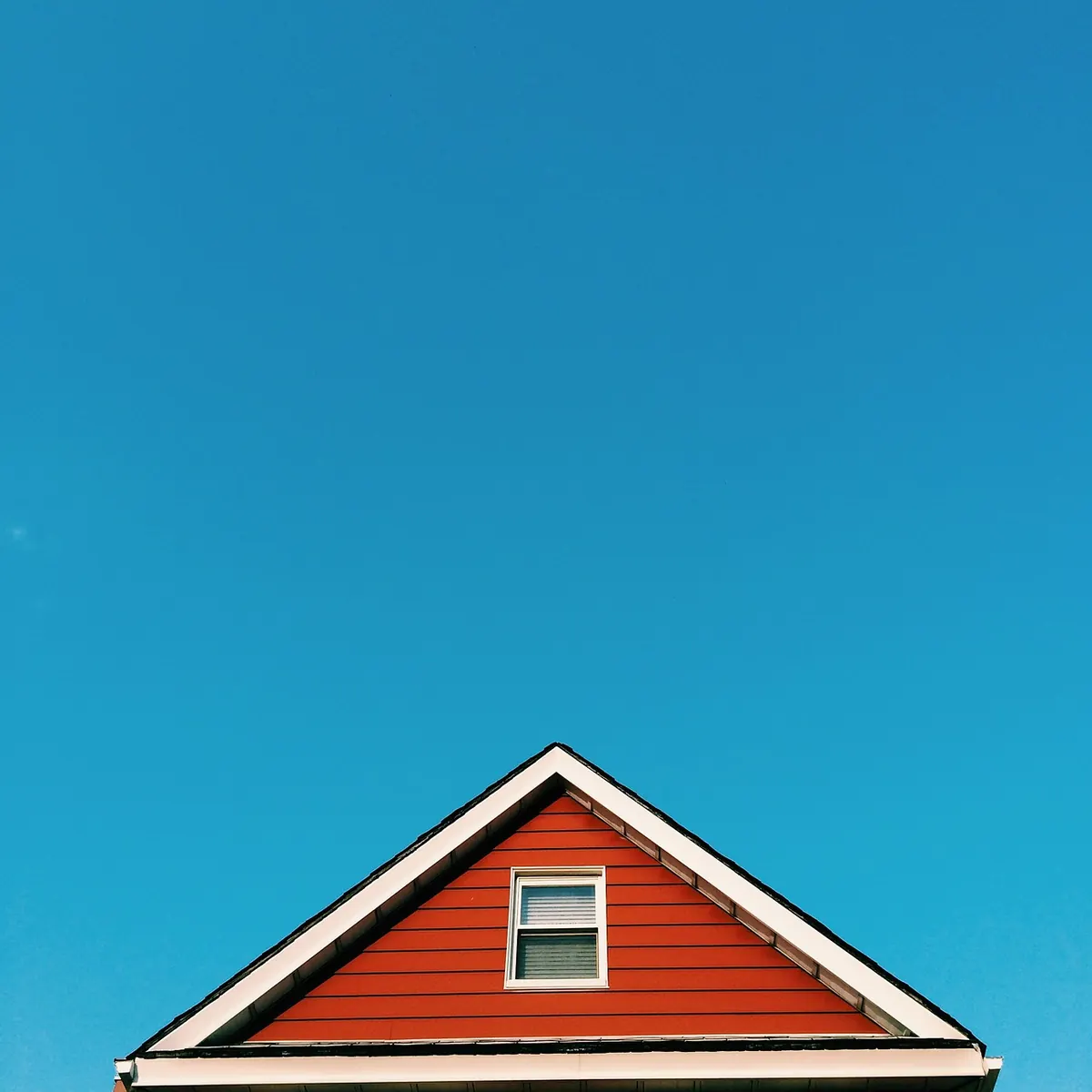
Seasonal Curb Appeal: Autumn and Winter Touches for a Warm Welcome
By late October the garden has said most of what it has to say. Flowers are gone, the light is low, and the front of the house is judged on quieter things: a clean path, a warm lamp, a door that looks cared for. Autumn and winter curb appeal isn't about doing more. It's about doing the right jobs while the weather is still on your side, so the house looks welcoming from the first leaf fall through to the last frost.
Put the front door first
The door is the one part of your exterior people look at directly, so it earns the most attention. Colours that look washed out in summer come alive in low, grey light: deep greens, slate blues, oxblood, warm charcoal. A fresh coat of exterior gloss or eggshell on the door and frame takes an afternoon and lifts the whole façade.
If painting isn't happening this year, smaller work still shows. Polish a brass letterbox and knocker, or swap dulled chrome for black iron. Tighten a rattling handle, oil the hinges, replace a worn draught excluder so the door doesn't shudder in the wind.
Then add something living. A wreath of eucalyptus, berried ivy or dried hydrangea heads hung on the door, or a simple swag over the lintel, costs little and reads instantly as welcome. Swap it as the season turns — bronze and seed heads in October, evergreen and berries in December — and the front of the house looks considered rather than decorated.
Let lighting do the heavy lifting
With sunset arriving before the school run is over, lighting does more for curb appeal in winter than any planting. Work in layers rather than relying on one bright source:
- A warm porch light beside the door, so faces, keys and letterboxes are visible.
- Low-level path lights or a pair of post lanterns marking the route to the step.
- One or two soft uplights in a shrub or against the wall for depth and shadow.
Put them on a timer or a dusk-to-dawn sensor so the house looks lived-in rather than floodlit until midnight. Harsh cool-white floodlights make a home look like a car park; keep the output low and warm. Solar stakes are tempting, but a British December gives them little to work with, so treat them as a bonus rather than your main light.
A candle lantern by the door is lovely on a still evening. Keep it away from wreaths, dried material and anything else that could catch, and never leave it burning unattended.
Clear up before you decorate
Autumn's biggest curb appeal problem isn't a lack of decoration. It's debris. A few hours of honest tidying will do more than another string of lights.
- Clear leaves from paths, steps and drains weekly. Don't leave wet piles against the wall — they stain render, hold damp and give slugs somewhere to live.
- Clear gutters and downpipes before the heaviest rain arrives. Overflowing gutters streak walls and soak the base of the house.
- Wash paths, steps and the doorstep while temperatures are still mild. Never pressure-wash in frost, when water freezes on the surface.
- Scrape moss and algae from steps and treat the joints. Green film on stone is slippery long before it looks dramatic.
- Cut back anything that has flopped over the path or blocked the light from a window.
Plant for structure and winter scent
Winter planting isn't about colour so much as shape. Evergreens hold the front of a house together when everything else has collapsed: box, yew, holly, skimmia, hebe. Clip them into clean forms in early autumn and they'll look deliberate all through the cold.
Then add one or two plants that earn their place in the darkest months. Sarcococca, often sold as sweet box, gives off a strong honey scent from tiny flowers in midwinter and will grow happily in a shaded bed by the door. Winter jasmine, hellebores and viburnum are all reliable, and a clipped ivy or heather in a pot carries the front step through to spring.
In containers, move away from summer bedding and plant violas, pansies, cyclamen or trailing ivy. Raise pots onto feet so water drains instead of sitting under them, and choose frost-proof or glazed pots — thin terracotta can crack when the temperature drops. Ease back on watering; wet compost in cold weather does more damage than dry.
Look after the small details
Curbside impression is built from dozens of small signals, and most of them are cheap to fix. A stiff coir mat outside and a softer one inside keeps grit off the hall floor and makes the threshold feel deliberate. House numbers that are visible from the road — painted, lit or simply cleaned — help visitors and delivery drivers alike. A pair of matching planters either side of the door creates instant symmetry, which the eye reads as care.
Then deal with the things you've stopped noticing: cobwebs around the porch light, fingerprints on the glass, a wheelie bin parked in front of the window, a hose reel left out. Tuck the bins behind a simple screen or fence panel.
Make the approach safe in wet and frost
A welcoming entrance is a safe one. Check the path after rain and again after the first frost, and note where water pools or ice forms — that's usually where a paving slab has dropped.
Keep a bucket of grit or salt by the door for icy mornings, and make sure a handrail on any steps is firmly fixed. Loose slabs, rocking steps and uneven thresholds are worth repairing in autumn, before the ground is hard and the job is unpleasant.
If you're running lights or a heater outside, use equipment designed for outdoor use and protect the circuit with an RCD. Anything more involved than plugging into an existing outdoor socket — new sockets, new cable runs, work near the consumer unit — is a job for a registered electrician. Before storm season, walk the front of the house and check for loose fence panels, wobbly gate hinges and anything sitting on a wall that the wind could take.
Start with three things this weekend
You don't need to overhaul the front of the house in one go. Pick three jobs: clean the path, put the porch light on a timer, and plant something evergreen by the door. Do those well and the difference is visible from the pavement.
After that, a ten-minute walk-round once a month is enough to keep on top of it. Sweep the leaves, check the light, look at the step from across the road as a visitor would. Small, regular attention is what carries a front garden from October to March — and it's the same habit that makes the house look loved again when spring finally turns up.
Photo: ErikaWittlieb / Pixabay

Checklist: Renovating Your Home's Exterior in the UK
A practical UK checklist for exterior renovations: the permissions to sort first, materials that survive...

How to Plan a Home Exterior Renovation: A Step-by-Step Guide
A practical, step-by-step guide to planning an exterior renovation: setting a realistic budget, checking...